


Postpartum Therapy online in California
Located in the Greater Sacramento area
Postpartum is nothing like you expected.
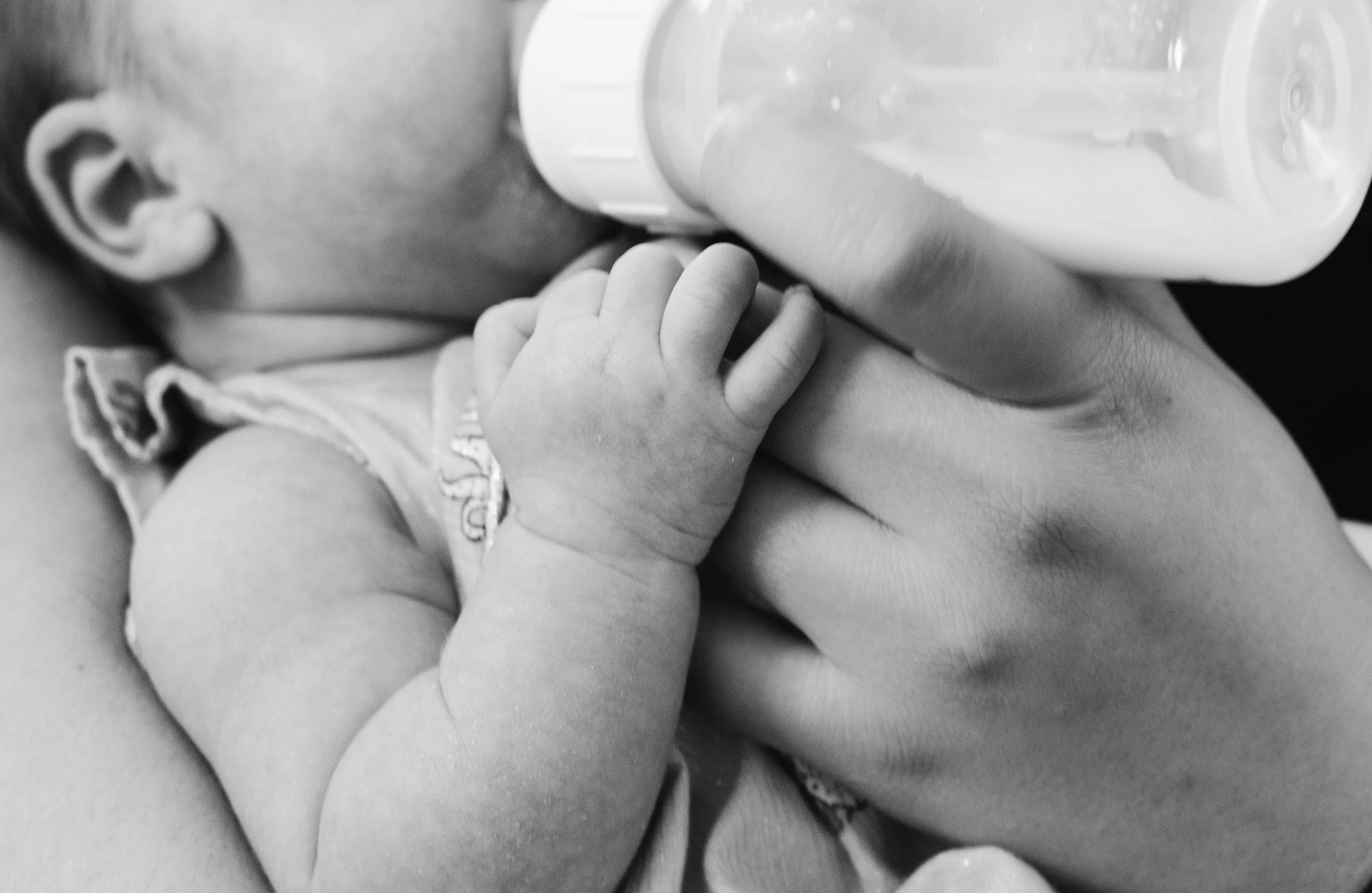
It’s 2 a.m., and you still can’t sleep, even though the baby is actually asleep. You’re so tired, but you keep waking up to check on her, just to make sure she’s still breathing. You’ve seen so many reels about SIDS and babies dying, and it makes you feel like it could happen to anyone.
You know sleep is important, but the stakes feel too high. You can sacrifice your sleep to make sure she’s okay every few hours, and you’ll just nap tomorrow when she naps—except, you never really nap.
There’s always too much to get done while she’s sleeping. Instead of napping, you often end up scrolling on your phone, wasting that precious time anyway.
You know you need a break, but the thought of being away from her for more than a few minutes feels unbearable. You feel guilty for needing that break, even though you know it’s necessary just to take a shower.
But then, you worry: What if she does something new for the first time while you’re gone? What if your partner can’t calm her if she starts crying and she doesn’t stop?
A few months in, and everything still feels so hard. Why didn’t anyone tell you how hard this would be? On top of that, you keep having scary thoughts like, “What if my baby drowns while I’m giving her a bath?” or “What if I accidentally hurt him with the knife while I’m cooking?” You know these things probably won’t happen, but you can’t help but wonder, “What’s wrong with me?” “Does having these thoughts make me a bad mom?”
You feel like you need to ask someone about this, but you don’t feel comfortable talking to other moms or your doctor. What if they overreact, send you to a psych ward, or even call Child Protective Services?

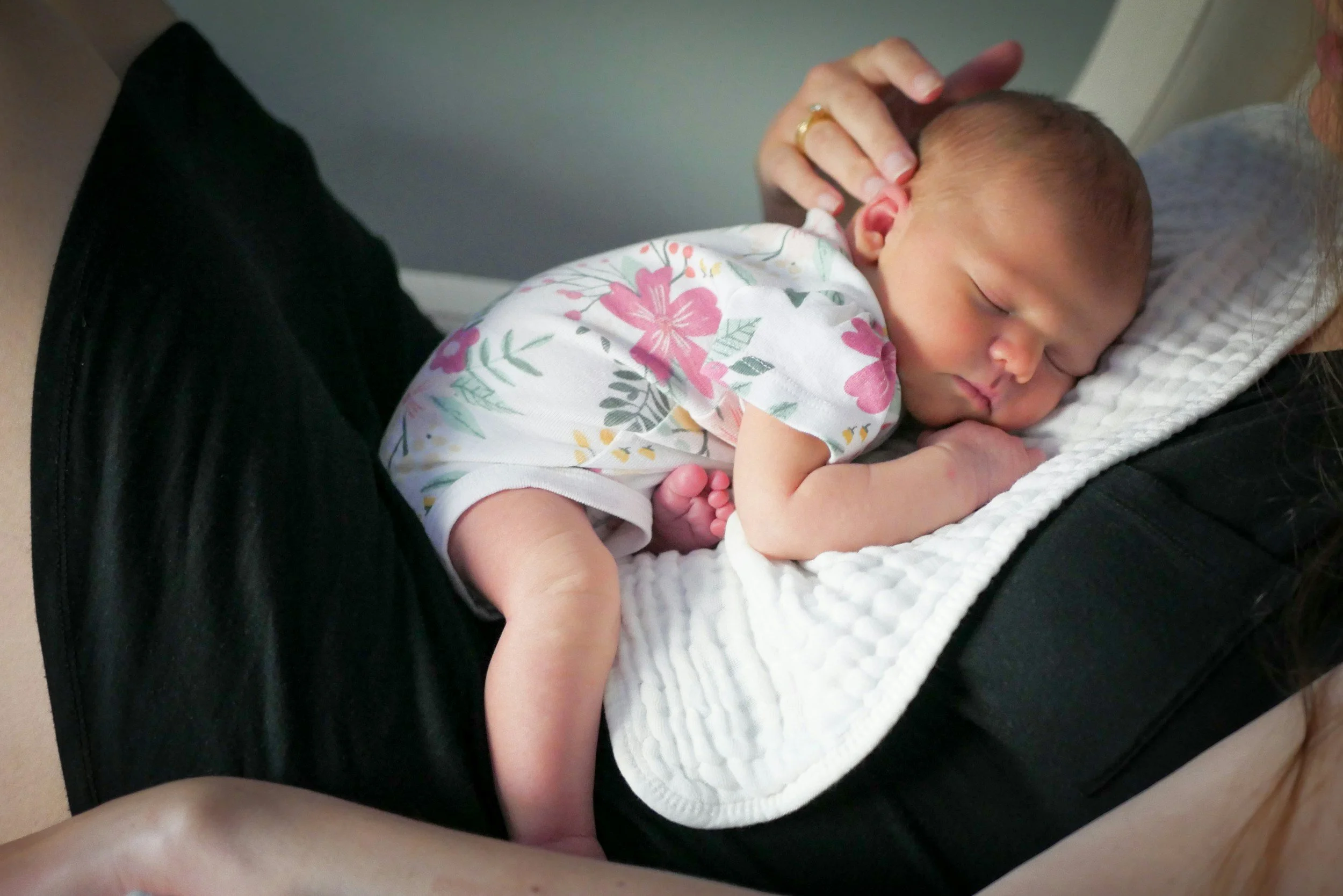

In case you need to hear this:
You’re not alone, and you’re not crazy. No one talks about it... But we will.

The Benefits of Postpartum Therapy online in California
Hi, I am Brittany Sallaberry, a therapist in California for pregnant and postpartum moms. I help pregnant and postpartum moms feel like they’re not alone in this journey, and help them understand a lot of what they’re feeling is common.
I will help you:
-feel less anxious or depressed by helping you not be bogged down with looping repetitive thoughs
-figure out what is actually mom-tuition and what is anxiety or worry
-sort through conflicting emotions so you can be more present with your baby
-figure out what self-care looks like now and when you will fit it in
-sort through the mom guilt and practice voicing your needs
-build on your confidence and be the mom you know you already are
Although we might share some tears together in therapy, there will definitely be laughs and humor too!

Why reach out for Postpartum Therapy?
Before becoming a therapist, I worked with moms in labor and delivery, just hours or days after giving birth. I'm also a mom of two, so I get it in a way that goes beyond training. When you're postpartum, the last thing you want is to spend your session explaining yourself. Postpartum is unique — there's so much pressure to feel joy and gratitude, and when you don't, it can feel lonely, isolating, and confusing. You deserve support from someone who actually understands what you're walking through.
What will we do in Postpartum Therapy?
My clients typically come to see me weekly for consistent support, helping them start feeling better sooner. In our sessions, I may integrate meditation, teach coping skills, or use something called brainspotting or ART (which are both therapies designed to help process emotions held in the body). Sometimes simply just talking to someone and feeling validated in your experiences and emotions can help. Occasionally, I’ll assign homework, but only when it’s realistic and manageable for you to complete. Therapy doesn’t have to feel scary or hard; it can feel like a relief—a breath of fresh air after a long struggle.
Ready to feel like a version of yourself you actually recognize?
Contact me today for your free consultation.
Frequently asked Questions about Postpartum Therapy in California:
-
I think it depends on what’s going on and what your goals are. Oftentimes, talk therapy is great to just have someone validating your experience, reassuring you that you’re doing great, and helping you build your confidence. Other times you may need something different to help process deeply held emotions and experiences like brainspotting or ART.
-
It depends on who you ask. For example to be diagnosed with postpartum depression, it has to be within the first year after giving birth. But if you ask your medical provider they might say 6-8 weeks. Generally if you’ve had a baby, you are postpartum forever.
-
The baby blues are common (think mood swings and crying) for the first 2-3 weeks. Continued feelings of sadness, crying, disinterest in your baby, and significant changes to your sleep/appetite are not and may be signs of postpartum depression. Obviously your sleep will be different with a new baby, but if the baby is sleeping and you cannot, that might be a clue that more is going on.
-
Please visit Postpartum Support International here: https://postpartum.net/perinatal-mental-health/
-
That’s up to you! Every timeline is different. Some clients only come for a few sessions, and other clients come for a few years.
-
The easy answer is yes. However, please consider therapy a form of self-care, and if you are able to secure childcare this may be more beneficial for you! If we are brainspotting or using accelerated resolution therapy, you will need to have someone watch your baby as it requires your 100% attention.
-
Visit my contact page to schedule your free consultation, where we can talk a bit more about what you’re looking for and schedule your first appointment.